
Facade Insights · 2026
How Facade Materials Influence Form, Scale, Texture, and Visual Depth
Facade materials shape architectural expression through more than color. Their format, fabrication method, module, profile, and finish affect how an elevation reads in changing light and at different distances. A surface can appear continuous, layered, fine-grained, or deeply articulated depending on how the material is formed and assembled. That makes material decisions inseparable from questions of form, scale, texture, and visual depth. The same visual concept can read very differently when expressed through a folded panel, a repeated extrusion, a perforated screen, or a projecting baguette. For project teams, the useful question is not only which material suits the design, but how its geometry, repetition, joints, and surface treatment will support the intended effect at both building and pedestrian scale. Lavada coordinates these decisions through its work with facade materials and systems, connecting design intent with the detailing and fabrication logic required to carry it into construction at full scale.
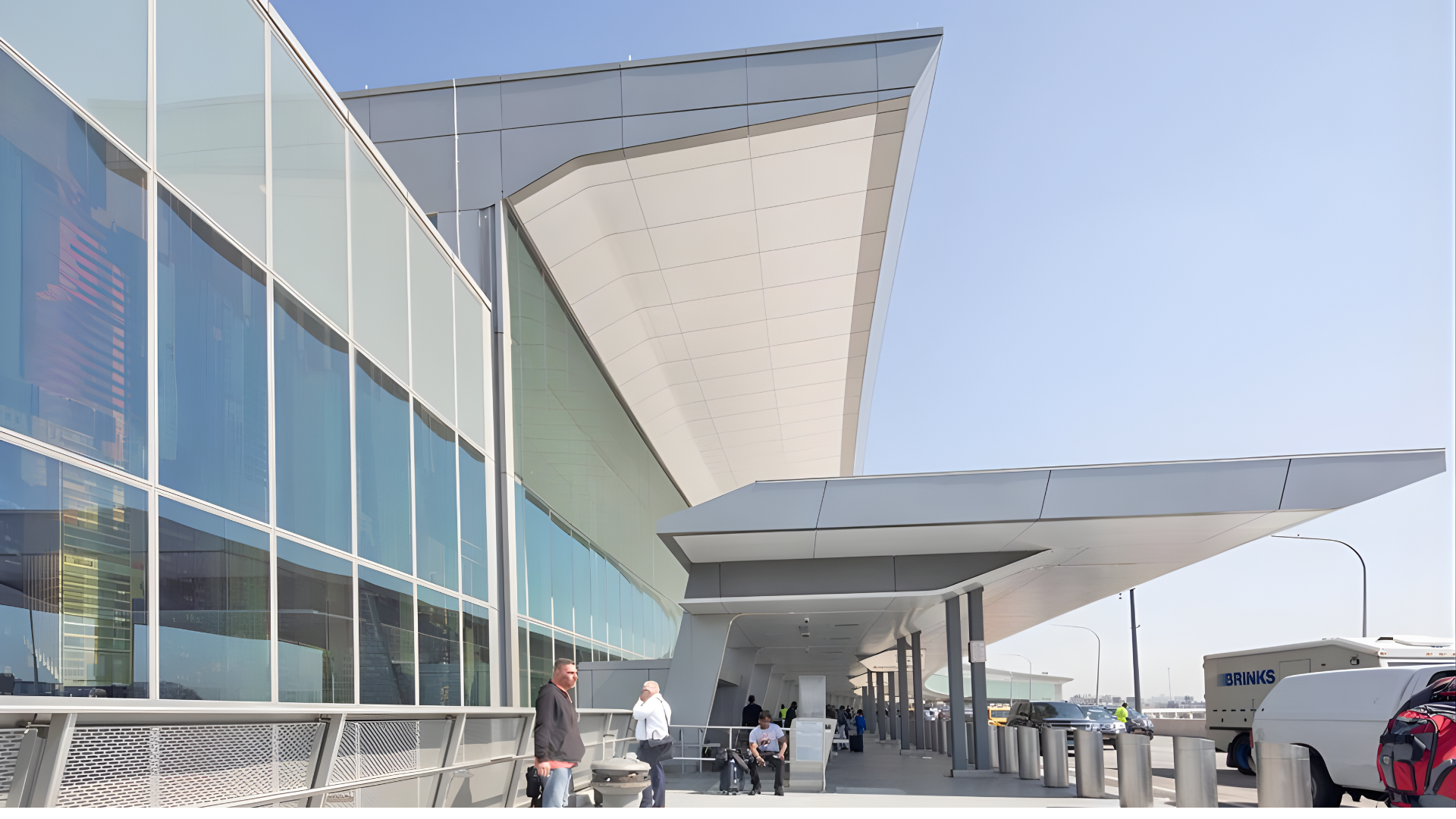
How Facade Materials Shape Geometry
The same material can support different architectural languages depending on how it is processed. Sheet and plate can become folded planes, deep returns, cassettes, or segmented curves, while extrusion can establish repeatable fins, ribs, and linear profiles. The Aluminum Association's overview of extrusion and secondary fabrication shows how die geometry can be followed by cutting, punching, machining, bending, or welding.
For Lavada, this is where design-assist coordination can connect geometry, joints, returns, attachment, and fabrication method while those variables are still adjustable.
Coordinating material geometry early can protect the intended facade expression through detailing and fabrication. Get in touch
How Facade Materials Set Perceived Scale
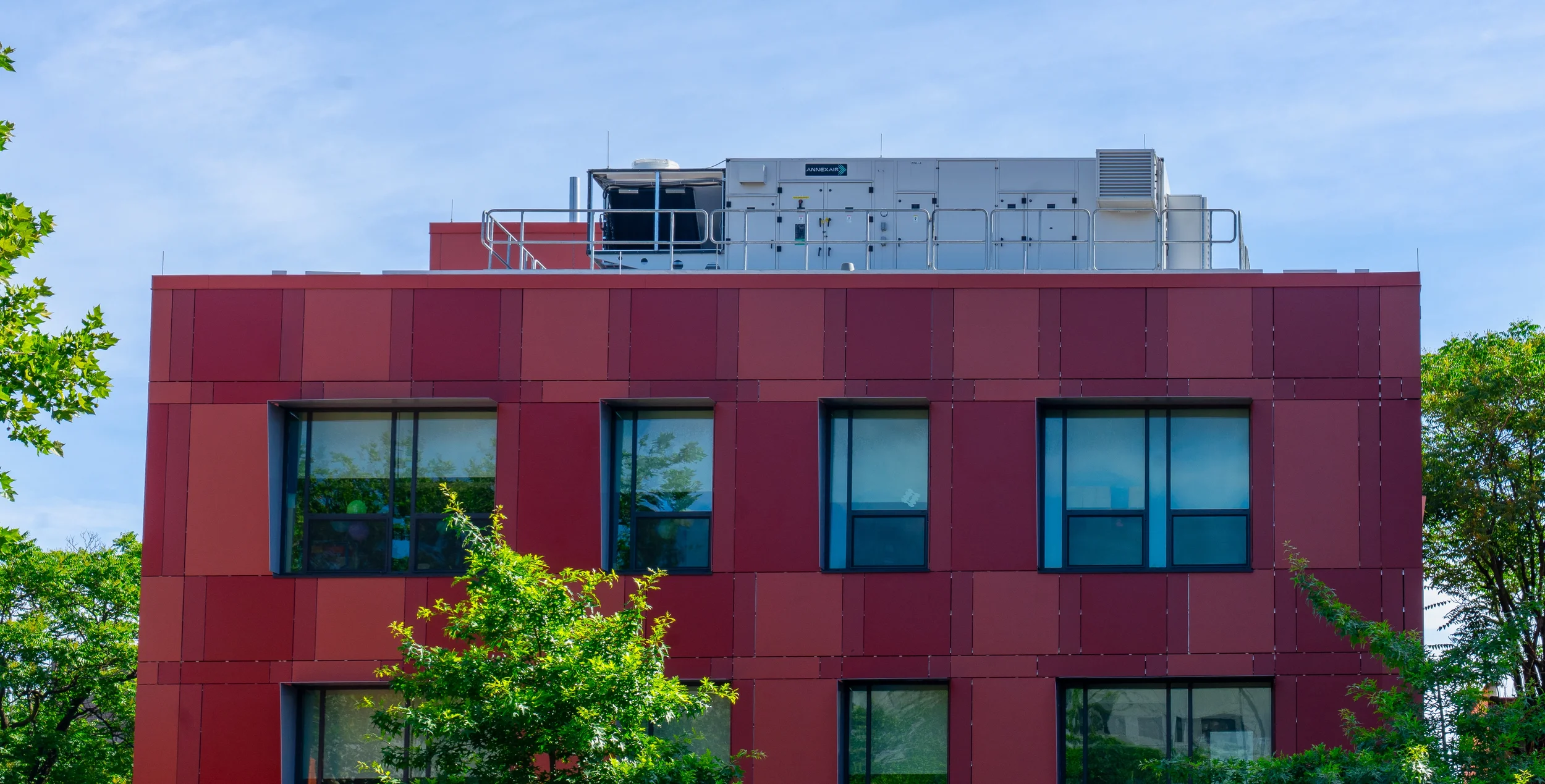
Facade scale is established by more than panel dimensions. Joint frequency, profile width, coursing direction, and the relationship between cladding modules and the building mass all affect how large or fine-grained the elevation feels. Large-format panel systems can visually consolidate broad areas, while tighter module repetition can strengthen pedestrian-scale detail. Joint layout therefore becomes part of the architectural composition, not only a fabrication requirement.

How Do Pattern and Facade Texture Work Together?
Pattern describes how elements repeat or vary across an elevation; facade texture describes the physical or perceived surface character created by relief, folds, ribs, perforations, joints, or finish. Perforation can produce both at once. Hole size, spacing, density, and open area create a graphic field from a distance, while the openings produce transparency and shadow at closer range. Lavada uses perforated metal systems where pattern and screening are part of the architectural expression.
Architectural expression comes from the relationship between material, geometry, module, surface, and light.

Physical Depth Becomes Visual Depth Through Light and Viewpoint
Visual depth depends on more than projection alone. Spacing, repetition, orientation, and shadow determine whether fins, baguettes, corrugations, deep reveals, or folded planes read as subtle layers or strongly three-dimensional elements. At 1 Great Jones Alley, repeated terracotta baguettes create rhythm and projection in front of the glazing, making shadow part of the composition. The supporting geometry had to be resolved precisely so that the visible repetition remained consistent across the facade.
How Does Finish Change the Way Facade Geometry Is Read?
Finish can amplify or quiet geometry. Reflective surfaces can make folds and curves more active as light shifts, while matte finishes can allow physical relief and shadow to carry more of the expression.
Anodized, painted, metallic, and other architectural finishes can also change how color, sheen, and directional light are perceived across the facade. For design teams, finish sample, orientation, joint layout, and formed geometry should therefore be evaluated together when reflectivity or tonal variation is central to the concept.
Design the Visual Effect Through the Fabricated System
Facade materials do not create architectural expression in isolation. Form, perceived scale, facade texture, and visual depth emerge from the relationship between material format, fabrication method, module, joints, profile depth, pattern, and finish. Resolving those variables together helps preserve the architectural effect from concept through fabrication. Lavada coordinates material expression with engineering, detailing, and fabrication so the final assembly reflects the design intent while remaining practical to manufacture and install.
Translate texture, scale, and visual depth into a facade system that supports the architectural intent.
Get in touchFrequently Asked Questions
How do facade materials influence architectural design?
Facade materials influence architectural design through more than color or finish. Their format, fabrication method, module, joint layout, surface relief, and reflectivity affect how a building's form, scale, texture, rhythm, and depth are perceived.
How should facade material selection account for texture and visual depth?
Material selection should consider how the surface will be formed, divided, projected, perforated, or profiled. Those decisions affect how strongly the facade responds to light, shadow, viewing distance, and changes in perspective.
How do panel joints and module sizes affect facade scale?
Panel joints and module sizes establish visual rhythm across an elevation. Larger modules can make broad areas read as continuous planes, while tighter spacing and repeated joints can create a finer-grained scale, particularly at pedestrian level.
When should a facade fabricator or design-assist partner be involved in material and geometry decisions?
A facade fabricator or design-assist partner should be involved while panelization, profile depth, perforation, finishes, joints, returns, and attachment conditions are still adjustable. Early coordination helps confirm that the intended visual effect can be fabricated consistently and integrated into the facade system without unnecessary redesign later.